
The Benefits of Braving the Elements in November: Estuary Bass Fishing in the UK
By Jason Hayes – Ocean Angler
November on the North Devon estuaries isn’t for everyone. The air is colder, the wind often unforgiving, and the light sits low and heavy across the mudflats. Yet for those who make the effort, this is one of the most rewarding times of year to be on the water — when big estuary bass feed hard before winter really sets in.
On Monday 3rd November 2025, I launched into the morning session on the Taw Estuary just after 10am. The tide was on the flood, the wind blowing straight into my face from the south-southwest, and the moon sitting at a powerful waxing gibbous, just two days off full. To most anglers, that might sound like hard work. But these are the exact conditions that can turn an average day into something unforgettable.
Reading the Estuary
The Taw, like many West Country estuaries, comes alive when the tide starts to rise. As the water pushes back upriver, it lifts baitfish off the flats and funnels them through narrow channels and seams. The bass move with them, using the flow to ambush prey that has nowhere to go.
At 10am, the tide was steadily filling, bringing colour and movement to the water. It’s a perfect window for targeting bass in shallow estuary zones — that blend of fresh and saltwater where food is plentiful but oxygen levels stay high. These rising tides, particularly around the waxing and full moon phases, tend to increase both water movement and fish activity. Bigger tides mean stronger currents, and stronger currents bring life.
Understanding the Moon and Tide Connection
Many anglers overlook just how much the moon affects feeding behaviour. Around the waxing gibbous and full moon, tides reach their largest range. That movement stirs up the seabed, dislodging food sources like shrimp and sandeel fry — an irresistible buffet for bass.
During this phase, the best windows are often on the flooding tide, when baitfish are pushed into shallow creeks and edges. Keep an eye on the moon phase when you plan your sessions; it can make the difference between a quiet morning and a fish-filled one.
Facing the Wind — and Using It
The south-southwesterly wind, blowing a solid 20 to 25 mph across the estuary, made casting awkward but conditions ideal. Wind like this pushes surface water — and therefore bait — into one side of the channel. Fishing the windward edge, where water and food are being forced against structure, is almost always the best move.
This morning, that meant casting directly into the wind. It wasn’t comfortable, but it was productive.
The Setup That Worked
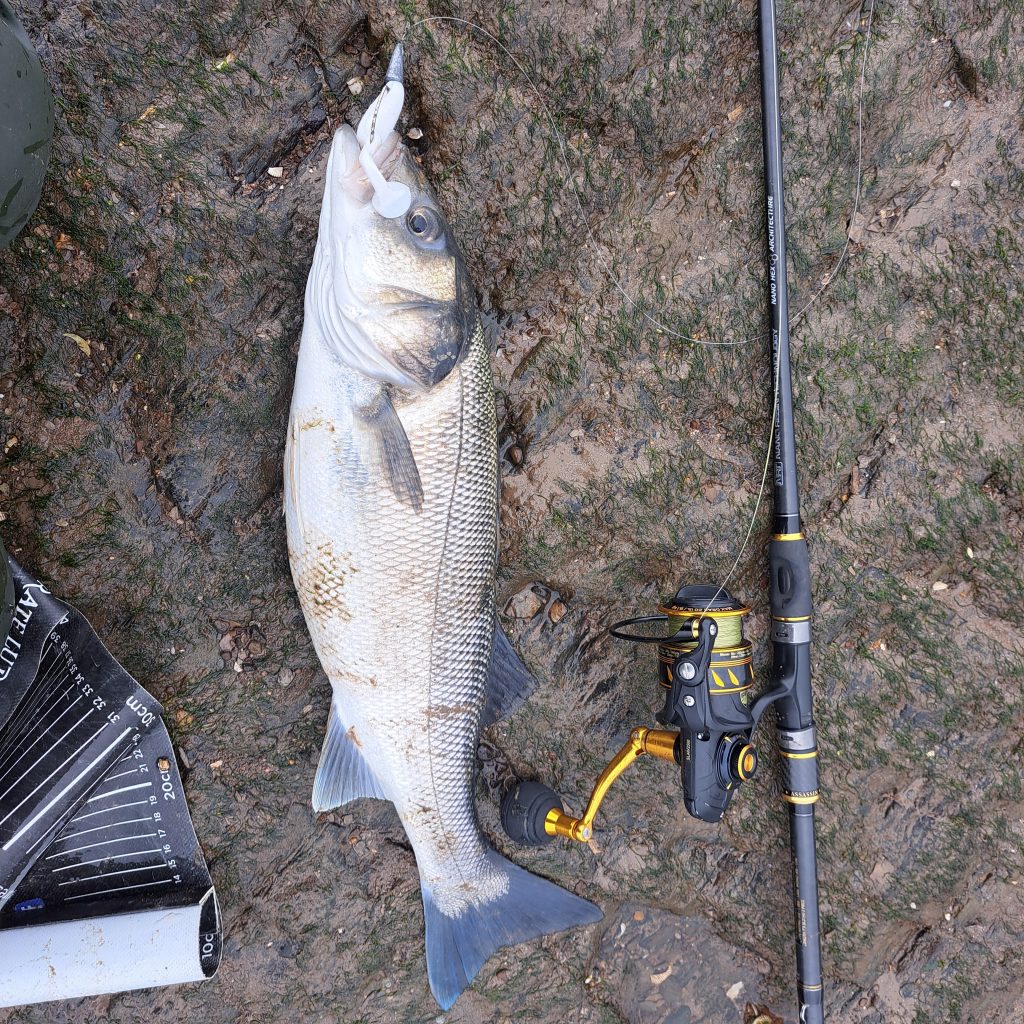
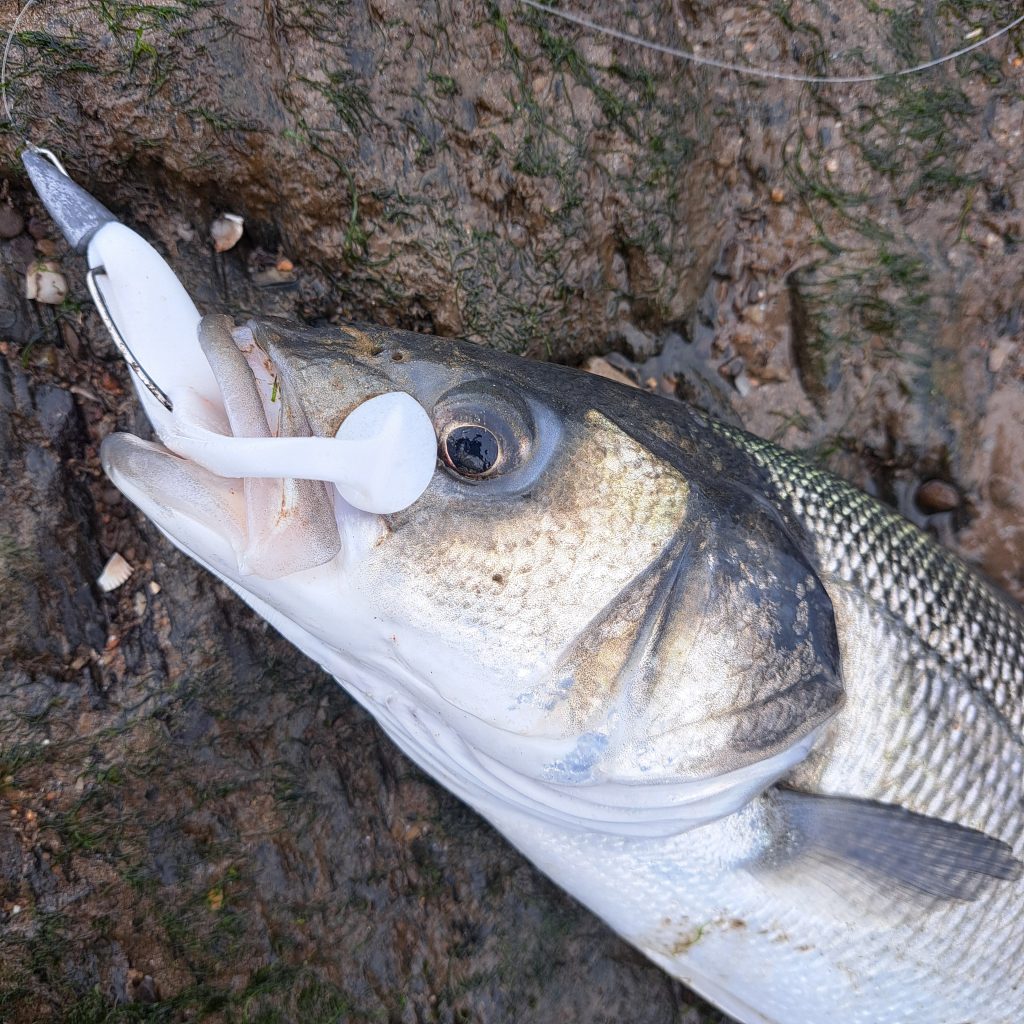
I rigged up a Keitech Easy Shiner in white, mounted on a heavier jighead to help it cut through the gusts and hold depth in the current. The white profile shows beautifully in slightly stained estuary water, mimicking the flash of fleeing baitfish.
Casting slightly upstream, I let the lure drift naturally with the current, occasionally bumping bottom before adding short twitches. After a few casts, I felt two faint taps — then the rod loaded. The fish stayed deep at first before showing its silver flank mid-channel. A classic estuary fight: stubborn, short runs, and plenty of head shaking.
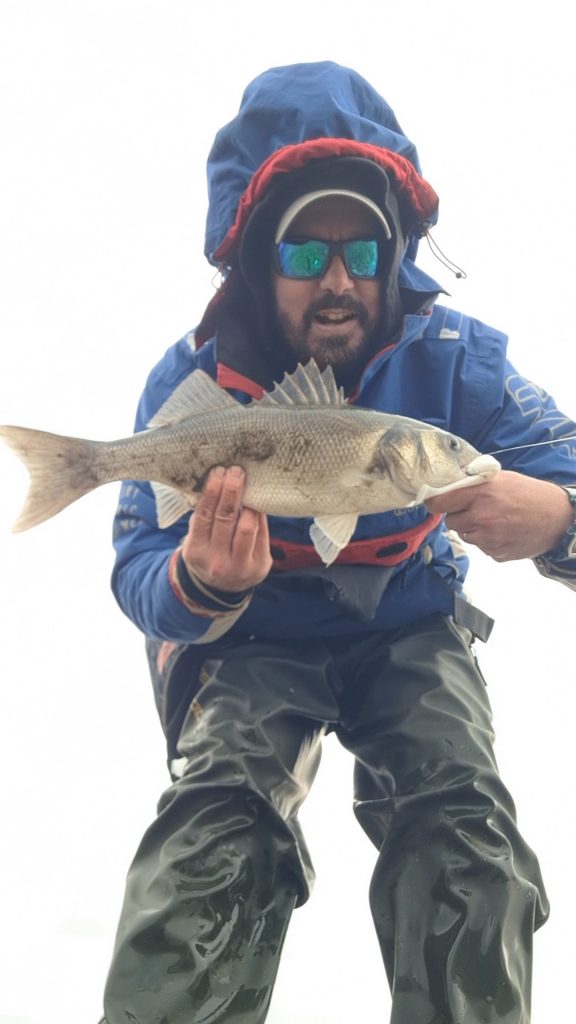
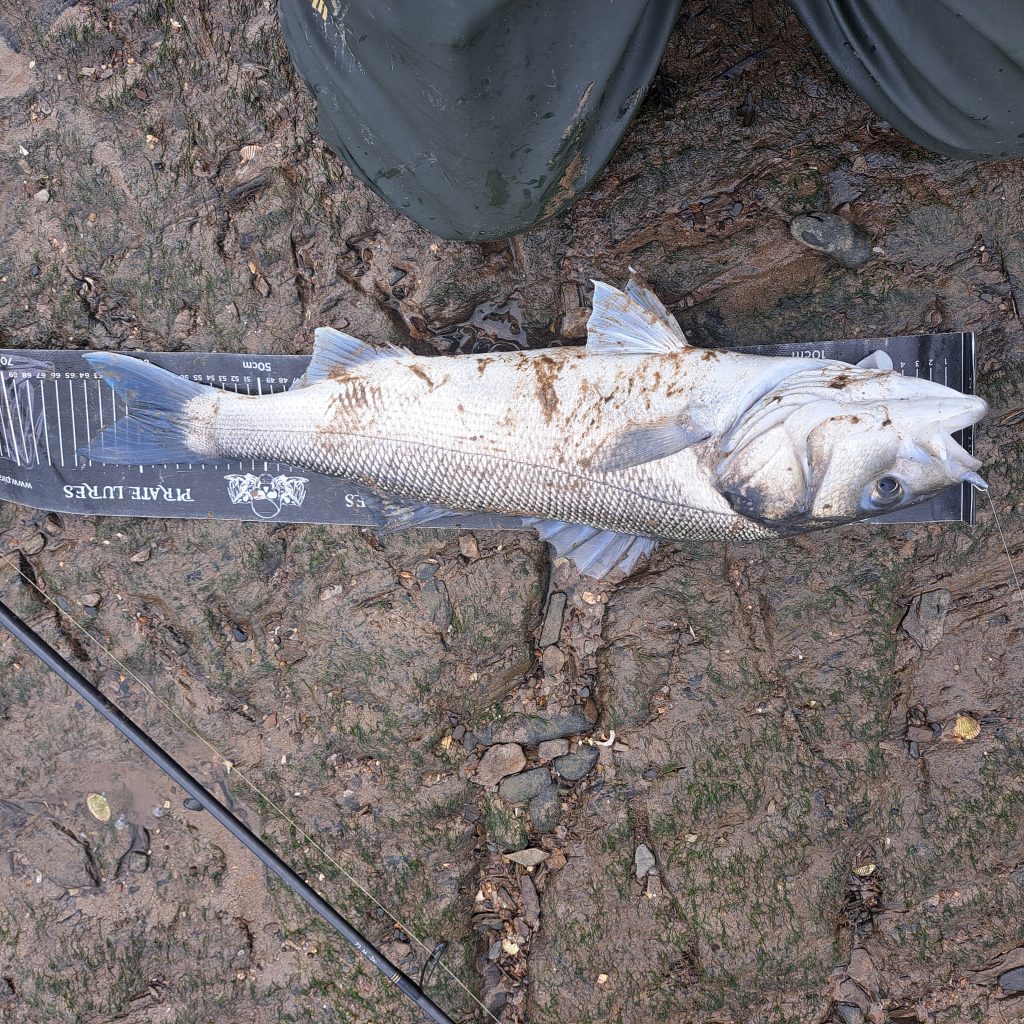
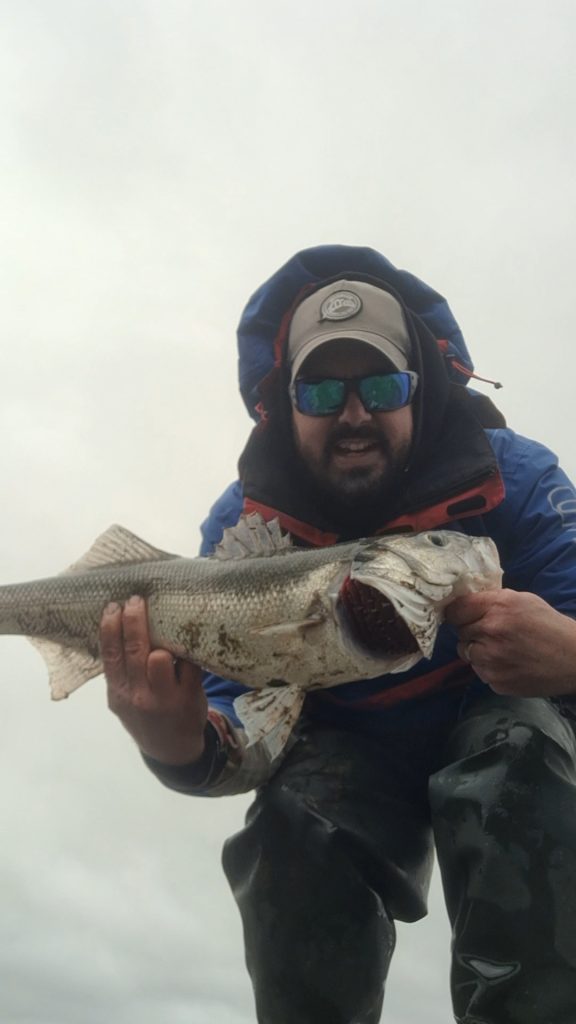
Moments later, I slid a healthy mid-60s bass into the shallows — fat, clean, and built for the tide.
Why November Is Worth It
This is why it pays to fish through November. Cooler water, darker days, and fewer people mean less pressure on the fish and more chances for big, solitary bass to feed confidently. The challenge of wind and tide becomes an advantage when you understand how to use it.
If you dress for the weather, plan around the moon, and fish the right stages of the tide, the estuaries will reward you with fish that many anglers only dream about catching on calm summer evenings.
Estuary Fishing Checklist for November
- Plan around the flood tide – Bass feed best as water pushes into creeks and margins.
- Watch the moon phase – Strong lunar cycles (waxing or full) enhance flow and activity.
- Use the wind – Wind-blown edges hold bait; that’s where the bass will be.
- Go heavier on jigheads when facing strong winds or flow — you’ll maintain control and feel.
- Stay safe and alert – Estuary tides move quickly, especially during spring cycles. Always know your exit route.
Final Thoughts
On that windy November morning, every factor came together — the rising tide, the lunar pull, and the push of the wind. Conditions that might send others back to their cars became the ingredients for a perfect estuary session.
Braving the elements isn’t just about endurance; it’s about understanding what those elements do to the water, the bait, and the fish. The more you learn to read them, the more success you’ll find — even on days when the estuary seems empty.
So next time the forecast looks rough, grab your rod, pack your Keitech Easy Shiners, and go and find your own November bass story.
—
Jason Hayes
Ocean Angler — oceanangler.co.uk